
Topics

PEGI - USK - What do these ratings mean?

PEGI - USK - What do these ratings mean?

PEGI Age Rating

Everyone is familiar with film age ratings. It’s a categorization system that assigns a minimum age to content. These ratings help people decide whether content is “intended” for their age.

Since 2003, the PEGI system has regulated the age suitability of games consumed in Europe. PEGI stands for “Pan European Game Information” and is used and recognized throughout Europe, with enthusiastic support from the European Commission. The system is considered a model for European harmonization in the area of child and youth protection.

Continue reading
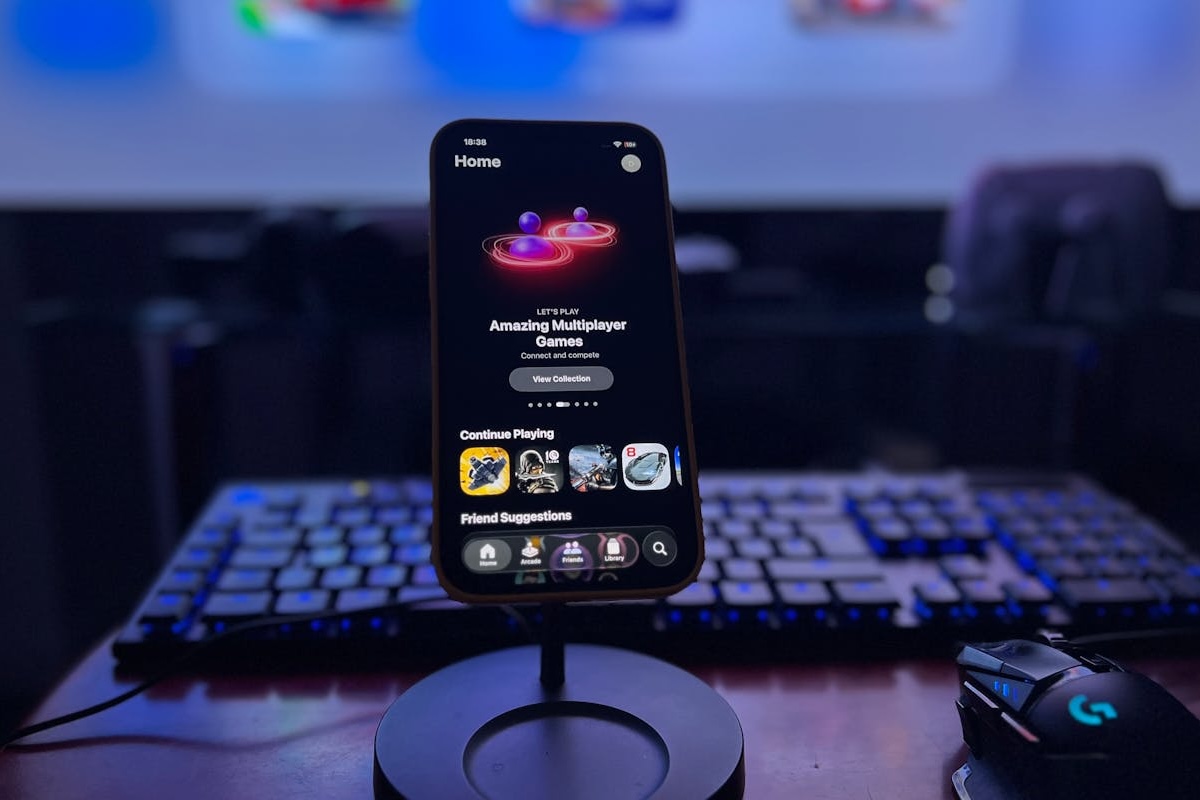

When Games Play Unfair - How "Dark Patterns" Trick Us

When Games Play Unfair - How "Dark Patterns" Trick Us

Imagine you’re playing your favorite video game. You’re collecting coins, building your village, or fighting monsters - and suddenly a colorful message appears with a countdown timer:

“Only now! Double rewards if you buy these treasures!”

That sounds exciting, doesn’t it? But sometimes there’s a trick behind it. These tricks are called “Dark Patterns”. They are little traps in game design that are meant to make you do something you might not have wanted to do. For example, spending real money, playing longer, or sharing personal information.

Continue reading
Can gaming make the world a better place?

Can gaming make the world a better place?

I recently stumbled across a 2010 TED Talk by Jane McGonigal, in which she presents and defends the thesis: video games can help us solve real-world problems.

Bold? Maybe!

She argues that if we (collectively, all players) spend 21 billion hours a week gaming, we can solve the world’s most pressing problems—rather than the current 3 billion hours.

Continue reading